Source Quick Dry Golf Polo T Shirt for Sports, Events, and Travel
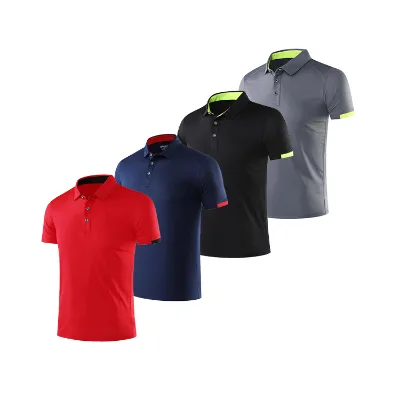
Explore 30 listings for the quick dry golf polo t shirt featuring breathable fabrics and custom options. Buyers can compare materials like polyester and spandex, MOQs ranging from 1 to 500 pieces, and lead times from 5 to 10 days across suppliers in Xiamen and Guangzhou.
Key considerations
Products List




Comprehensive Sourcing Guide
Quick Dry Golf Polo T Shirt Sourcing Guide
Sourcing quick dry golf polo t shirts requires a strategic balance between performance fabric technology and professional aesthetic standards. Buyers must navigate a market where material composition directly influences moisture management, durability, and the final garment’s drape. The core challenge lies in identifying suppliers who can consistently deliver breathable, compressed-fit apparel that meets the rigorous demands of athletic wear while maintaining the polished look required for corporate or promotional use.
This guide provides a structured approach to evaluating listings, verifying technical specifications, and managing commercial risks. By focusing on observable product attributes and standard procurement practices, buyers can make informed decisions that align with their specific volume requirements and quality expectations. The following sections detail the critical steps for validating supplier capabilities and ensuring that the final product meets both functional and branding needs.
Product Scope and Observed Listing Signals
The current market for golf polo shirts exhibits a wide range of customization options and material compositions. Listings frequently highlight features such as moisture absorption, breathability, and compressed fits, which are essential for athletic performance. Buyers should observe that materials often include blends of polyester, spandex, and cotton, with some products specifying exact fabric weights like 180 grams. These variations significantly impact the garment’s feel and performance, necessitating careful review of material claims before placing orders.
Customization is a dominant theme, with many suppliers offering OEM/ODM services, custom logos via embroidery or printing, and flexible packaging solutions. Observed data indicates a broad MOQ range, from single pieces for sampling to bulk orders of hundreds of units. This flexibility allows buyers to test market response with low initial risk. However, the presence of mixed colors and printed patterns, including floral designs, suggests that aesthetic consistency must be strictly managed during the production phase to avoid quality discrepancies.
Technical Specifications to Verify
Verifying technical specifications is crucial for ensuring the garment meets functional requirements. Buyers should confirm the collar style, with options ranging from polo necks to V-necks, and verify sleeve lengths, which are typically short for summer wear. The construction technique, whether woven or knitted, affects the fabric’s stretch and recovery properties. It is essential to request physical samples to assess the hand feel, seam strength, and the accuracy of the printed or embroidered logos against the approved design files.
Packaging standards and product dimensions also require verification to optimize logistics costs. Listings may indicate specific packing dimensions, such as 40cm x 40cm x 5cm or larger carton sizes, which directly influence shipping volume. Buyers must ensure that the supplier’s packing methods protect the garments from damage during transit. Additionally, confirming the sample lead time, which can range from five to ten working days, helps in planning the overall procurement timeline and aligning production schedules with seasonal demand peaks.
Compliance and Safety Documentation
While specific certification statuses are not universally guaranteed in all listings, buyers should prioritize suppliers who adhere to recognized safety and environmental standards. The mention of OEKO-TEX in background data suggests that some manufacturers may offer eco-friendly or chemically safe fabric options. Buyers should explicitly request documentation for any claimed certifications to ensure that the materials used are free from harmful substances, which is particularly important for garments worn close to the skin during physical activity.
Documentation should also cover labor practices and manufacturing ethics, although these are not always detailed in initial product listings. Buyers are advised to ask for audit reports or compliance statements from their suppliers. This due diligence helps mitigate reputational risks and ensures that the supply chain aligns with corporate social responsibility goals. Clear communication regarding compliance requirements early in the sourcing process can prevent delays and ensure that the final product meets all regulatory and ethical standards.
Cost Drivers and Commercial Terms
Several factors influence the final cost of quick dry golf polo shirts, including material composition, customization complexity, and order volume. Blends with higher spandex content or specialized moisture-wicking treatments typically command higher prices. The choice of printing method, such as silk screen, 3D printing, or embroidery, also affects unit costs. Buyers should analyze the price-to-quality ratio rather than seeking the lowest possible price, as inferior materials may compromise the garment’s durability and performance over time.
Commercial terms, including MOQs and payment conditions, vary significantly among suppliers. Some offer low MOQs for sampling, while others require larger commitments for production runs. Lead times, often cited as two to three weeks for delivery, must be factored into the procurement schedule. Buyers should negotiate clear terms regarding sample fees, which may be refundable upon bulk order, and clarify responsibilities for shipping and insurance. Understanding these commercial dynamics helps in budgeting accurately and avoiding unexpected costs.
Supplier Qualification and Quality Control
Evaluating supplier qualifications is a critical step in mitigating procurement risks. Buyers should assess the supplier’s experience in producing golf apparel and their ability to handle custom orders. Checking for past performance, client references, and production capacity can provide insights into their reliability. It is also important to verify the supplier’s location, as origins like Xiamen or Guangzhou are known hubs for textile manufacturing, which may offer advantages in terms of supply chain efficiency and material availability.
Quality control measures must be clearly defined before production begins. Buyers should establish detailed quality standards, including acceptable tolerances for color matching, stitching, and logo placement. Implementing pre-production samples and in-line inspections can help identify and rectify issues early in the manufacturing process. Clear communication of these quality expectations ensures that the final product meets the buyer’s standards and reduces the likelihood of receiving defective goods.
Long-Term Procurement Checks
Establishing long-term relationships with reliable suppliers requires ongoing monitoring and evaluation. Buyers should regularly review supplier performance based on delivery times, product quality, and responsiveness to issues. Consistent communication and feedback loops help maintain high standards and foster collaboration. It is also advisable to periodically reassess the market for new materials or technologies that could enhance product offerings or reduce costs.
Continuous improvement in the procurement process involves staying informed about industry trends and regulatory changes. Buyers should remain vigilant about potential shifts in material availability or pricing structures. By maintaining a diversified supplier base and regularly auditing current partners, buyers can ensure supply chain resilience. This proactive approach supports sustainable sourcing practices and helps the business adapt to changing market conditions while maintaining product quality and customer satisfaction.
FAQs
What materials are used for these golf polo shirts?
The shirts are made from Spandex, Polyester, and Cotton blends. Some items use Polyester or Spandex alone. These fabrics ensure breathability and moisture absorption for summer wear.
Can I customize the logo on the polo shirts?
Yes, you can customize the logo using embroidery, silk screen, or 3D printing. Customized labels are also accepted. OEM and ODM services are available for your specific branding needs.
What is the minimum order quantity for these shirts?
The standard MOQ is 100 pieces, though some listings allow orders as low as 1 piece. Custom orders typically require a minimum of 200 pieces. This varies by supplier and specific product model.
How long does it take to receive samples?
Sample times range from 5 to 10 working days depending on the supplier. Some vendors require 7-10 days while others can deliver in 5-7 days. This timeline applies before bulk production begins.
Where are these golf polo shirts manufactured?
Products originate from cities like Xiamen and Guangzhou in China. The specific origin depends on the manufacturer you select. All listed items are new and ready for immediate shipment.
What features do these shirts offer for active wear?
These shirts feature moisture absorption, breathability, and compression properties. They are designed for summer use with short sleeves and a polo neck. The fabric weight is typically 180 grams for comfort.
What packaging options are available for bulk orders?
Standard packing includes polybags and cartons with specific dimensions like 54x42x42 cm. Customized packing is accepted upon request. Some items use Oop Bags for individual protection during transit.